客户端发起请求。
A user, app, or AI agent calls an endpoint.
HTTP has had a status code for payments since 1997. For nearly thirty years, no one used it. That changed when AI started buying things.
Every web developer knows HTTP status codes. 200 means success. 404 means not found. 500 means the server fell over.
There's also 402: Payment Required. It's been part of the HTTP specification since 1997. The original authors knew, even then, that some web resources should cost money. They reserved the code and left it as “reserved for future use.”
For almost thirty years, the future never came. Cards solved commerce in other layers — checkout pages, processors, redirects. HTTP's native payment code stayed unused, waiting for a problem the internet couldn't solve yet.
Then the problem changed.
For most of the web's history, payment meant a human pulling out a credit card. That worked — for people, occasional purchases, and ticket sizes big enough to absorb 2.9% plus fixed fees plus days of settlement delay.
AI agents are not humans. They make hundreds of calls per session. They run in datacenters that don't have credit cards. They need to pay for a response and use it within seconds. They don't fill out checkout forms, and many calls don't carry enough margin for card economics.
What agents need is payment native to HTTP: ask, get told the price, pay, receive — in one round trip.
That's x402.
x402 is built on a simple idea: instead of redirecting payment to a separate system, treat payment as part of the HTTP conversation itself.
A user, app, or AI agent calls an endpoint.
It includes amount, accepted asset, and recipient address.
Payment is sent on-chain in USDC/USDT, proof attached on retry.
Payment verified. Resource delivered. One logical round trip.
Other payment protocols ask clients to know the merchant's system in advance. x402 lets the merchant just answer the request, like any other HTTP call.

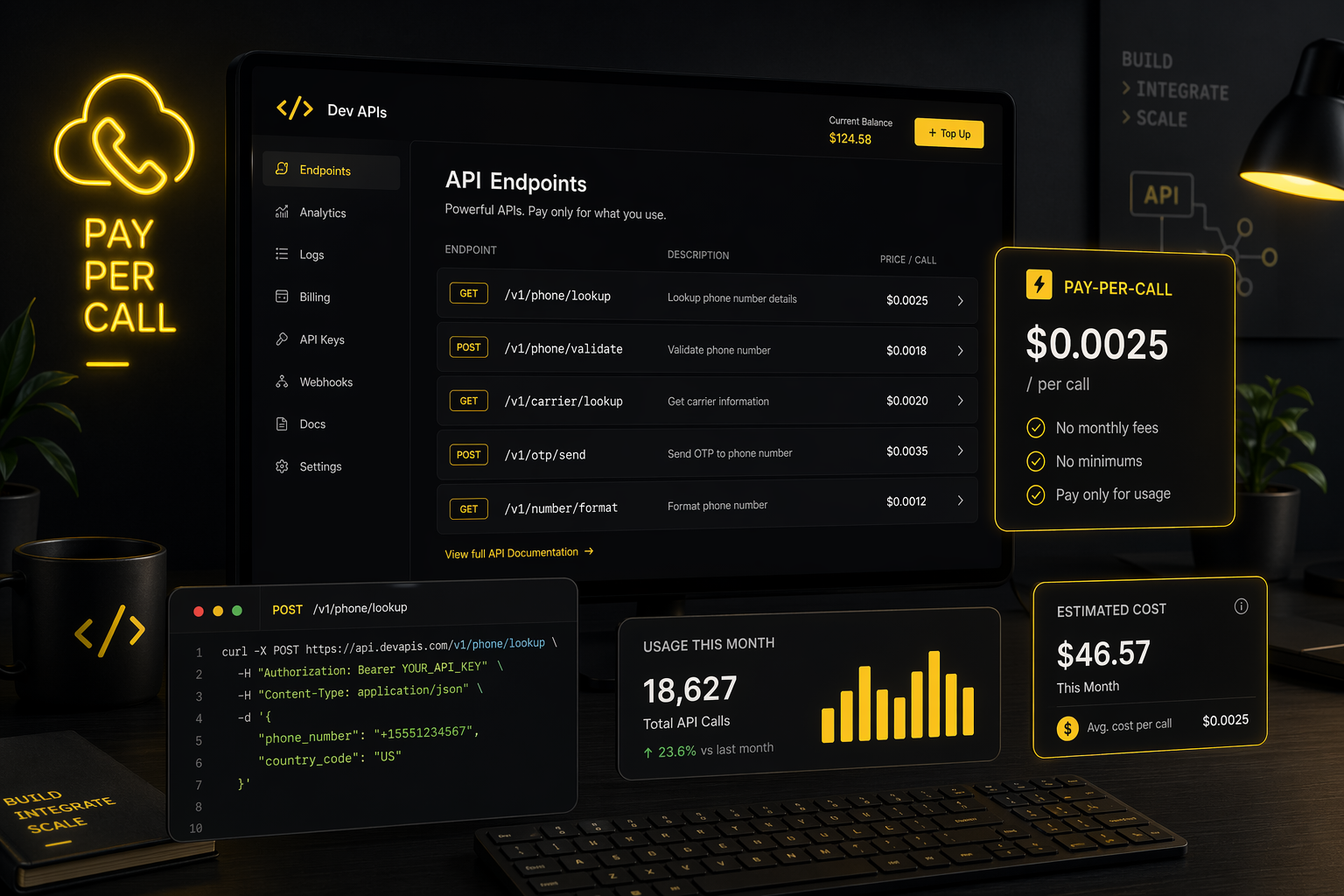
Subscriptions are often a workaround for expensive billing. x402 makes per-call billing practical — down to tiny units for inference, analytics, and precision tiers.

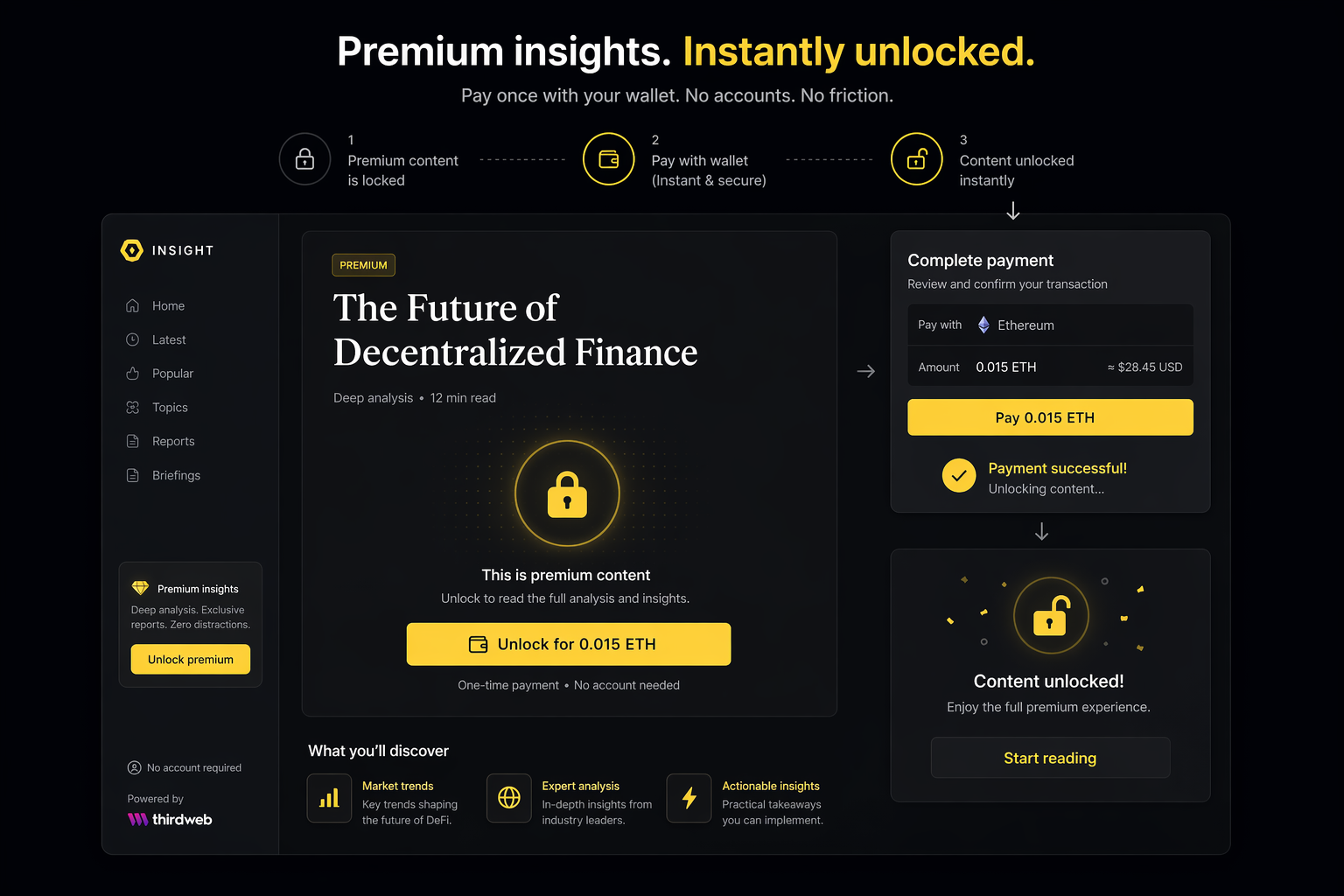
Reports, datasets, and paywalled pages can unlock with a wallet — no signup, no email, no password. The transaction model gets lighter.

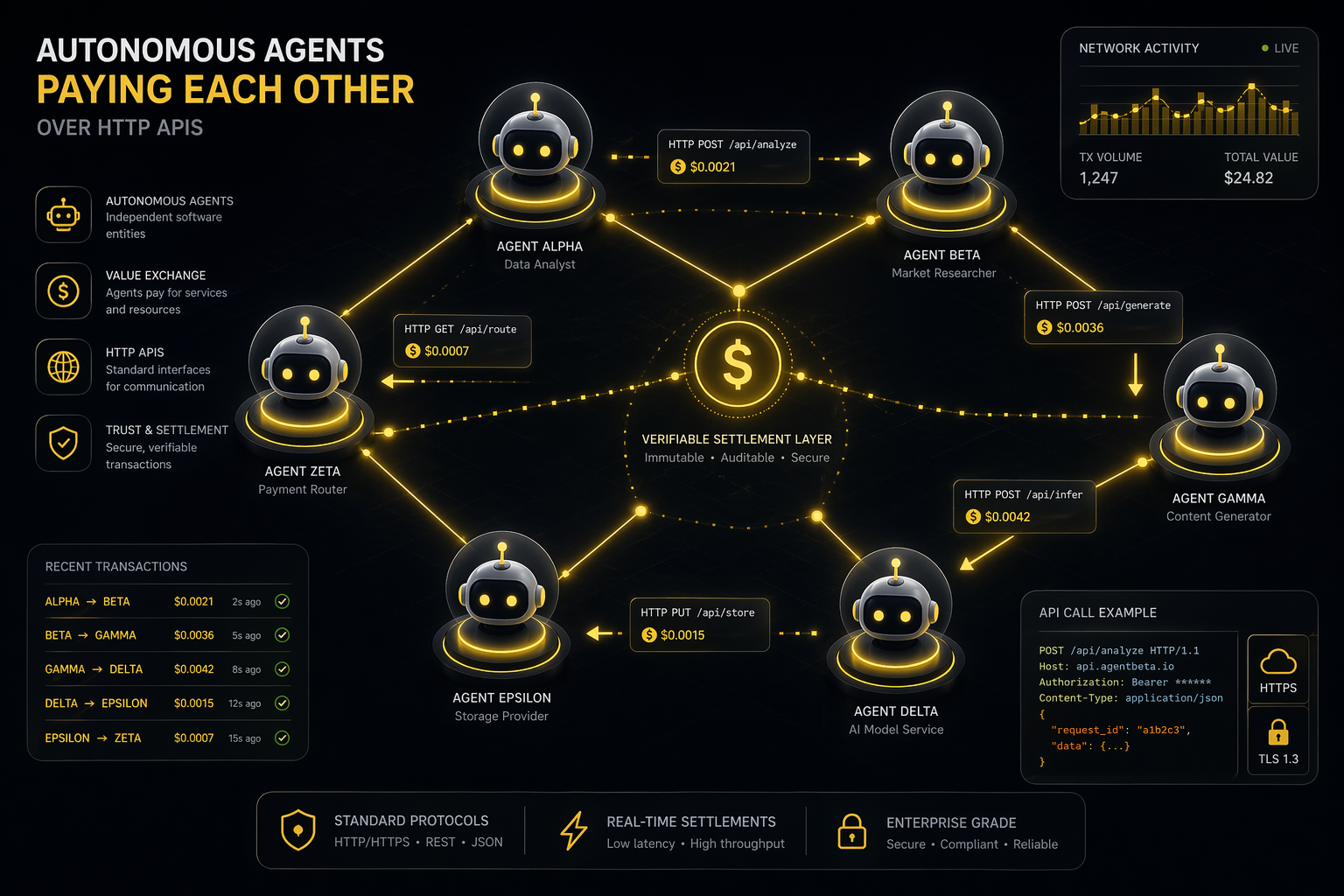
Agents can buy data, compute, and tools autonomously. Entire service pipelines can settle value on the open web without humans in the loop.
x402 started as an open-source release from Coinbase in 2025. In April 2026, it moved to the Linux Foundation as a vendor-neutral, community-governed standard.
Its founding members map directly to who moves money and traffic on the internet:
When Visa, Cloudflare, and Coinbase agree on a payment standard, the question isn't whether x402 becomes infrastructure. The question is who's ready when it does.
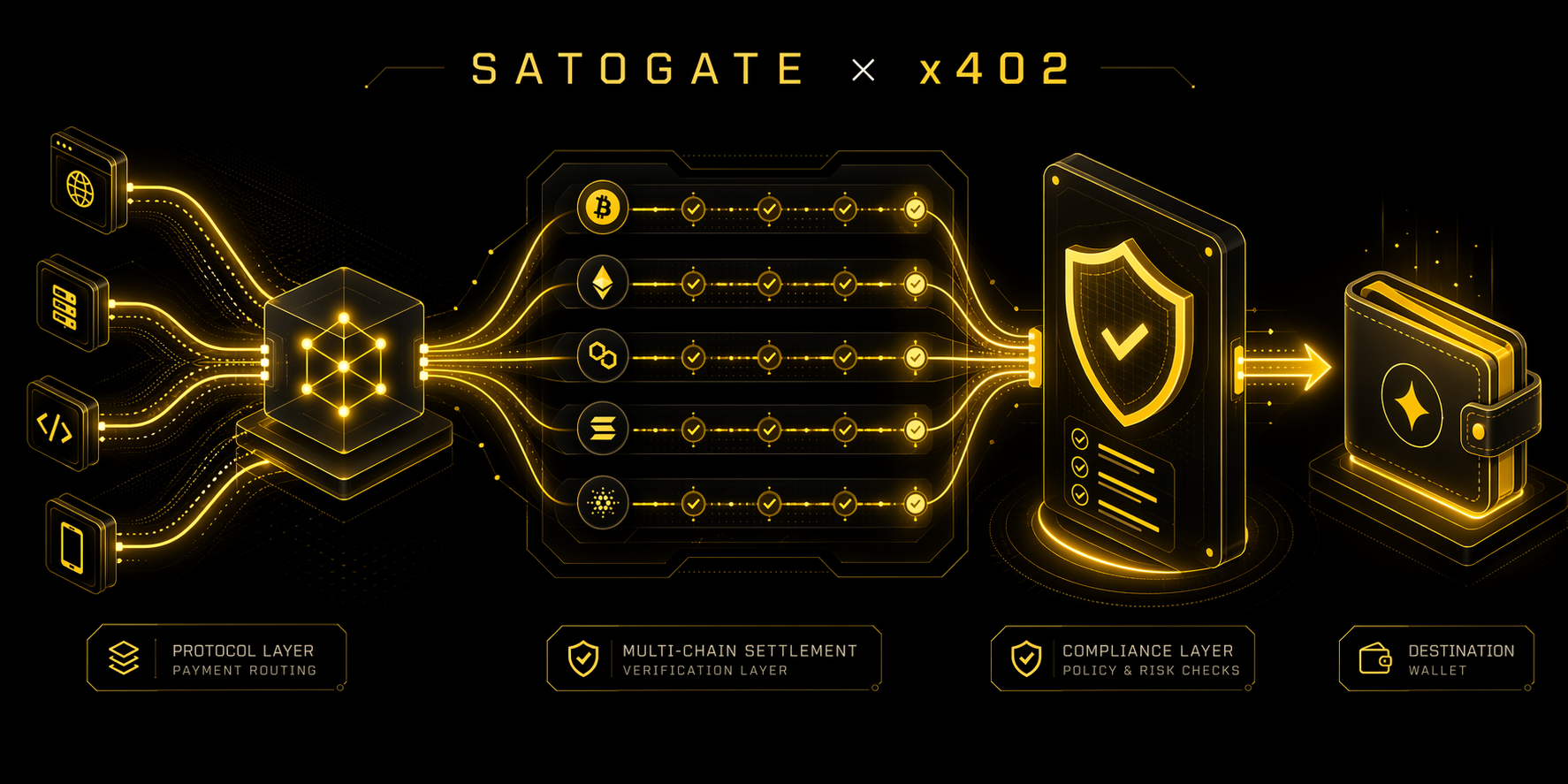
We handle settlement verification, multi-chain support, KYT compliance, and non-custodial routing, so your service can answer a 402 in five lines of code and let funds land directly in your wallet.
Satogate is built x402-native from the ground up. Not retrofitted, not wrapped — implemented at the protocol layer, the way serious x402 infrastructure should be.
We also handle the part nobody else likes to discuss: when you need to move between USD and stablecoins, compliant on-ramp and off-ramp partners are already in place.